Introduction: Have you ever seen 'Oldboy'?
Do you remember the shocking scene from the movie Oldboy where Oh Dae-su devours a writhing, live octopus? While that image defined "Korean seafood" for many, let me clear up a common misunderstanding: The Jjukkumi (Webb-footed octopus) is not that beast. In fact, we rarely eat this specific variety raw.
Instead, think of something more modern. If you’ve survived the global "Fire Noodle Challenge" (Buldak), you’re already halfway prepared for the smoky, spicy joy of Jjukkumi-bokkeum (Stir-fried octopus). Through the lens of "K-Fishing," let's explore why thousands of Koreans rush to the sea every September 1st, and how this tiny cephalopod bridges the gap between a high-adrenaline hobby and a world-class culinary culture.

The Great War of the West Sea: September 1st
In South Korea, September 1st is not just a regular day on the calendar; it is the beginning of the "Jjukkumi Great War." As the dawn breaks over the West Sea (Yellow Sea), the horizon is filled with hundreds of fishing boats.
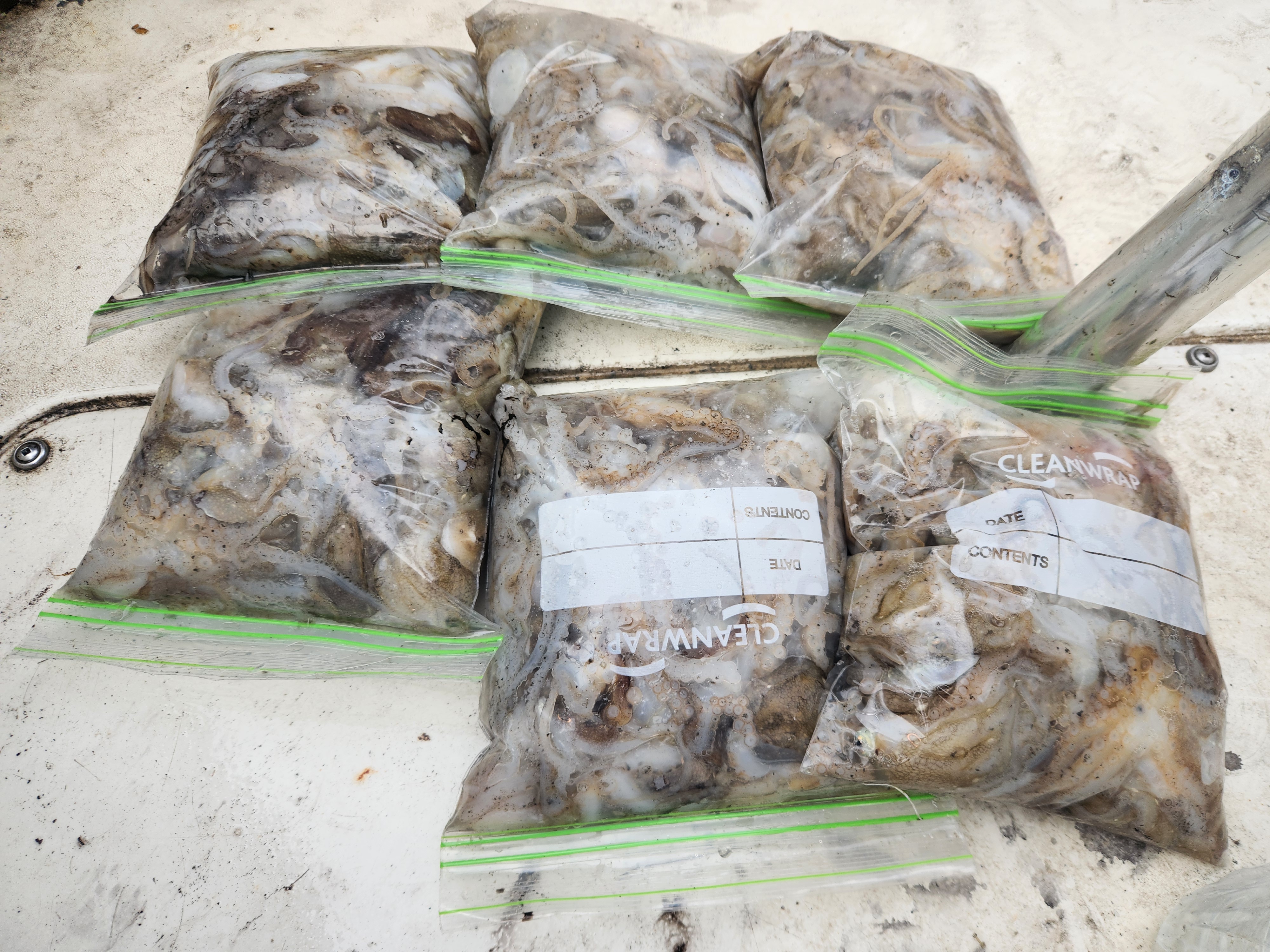
This madness occurs because the Closed Season finally ends. For months, these octopuses have been protected, and the anticipation builds up to this very moment. Anglers often celebrate their success by counting their catch in "hundreds." A highly skilled angler might achieve a "300-Jju," meaning they caught 300 octopuses in a single day. This abundance is one of the reasons why Jjukkumi fishing is the most popular saltwater hobby in the country.
Understanding Korea's Fishing Conservation Policy
Many global anglers are used to fishing licenses or seasons based strictly on spawning periods. However, the Korean Jjukkumi season has a unique cultural twist.
- The Spring Delicacy: From mid-March to late April, people target "Al-jjukkumi" (egg-bearing octopus). Because the eggs are considered a rare seasonal delicacy, they are sold at premium prices—often referred to as "Gold-Jjukkumi."
- The Paradoxical Closed Season: Ironically, the closed season starts after the spring harvest, running from May 1st to August 31st. While some argue about the timing of resource protection, this system reflects the deep-rooted Korean food culture that highly values spring seasonal ingredients.
Gear and Tactics for Beginners
One of the best things about Jjukkumi fishing is that it is accessible to everyone, from children to seniors. You don’t need expensive or complex equipment.
- The Tackle: A short, sensitive rod (5–6 ft) is ideal for feeling the subtle weight of the octopus. A braided line under PE 1.0 is recommended for better sensitivity.
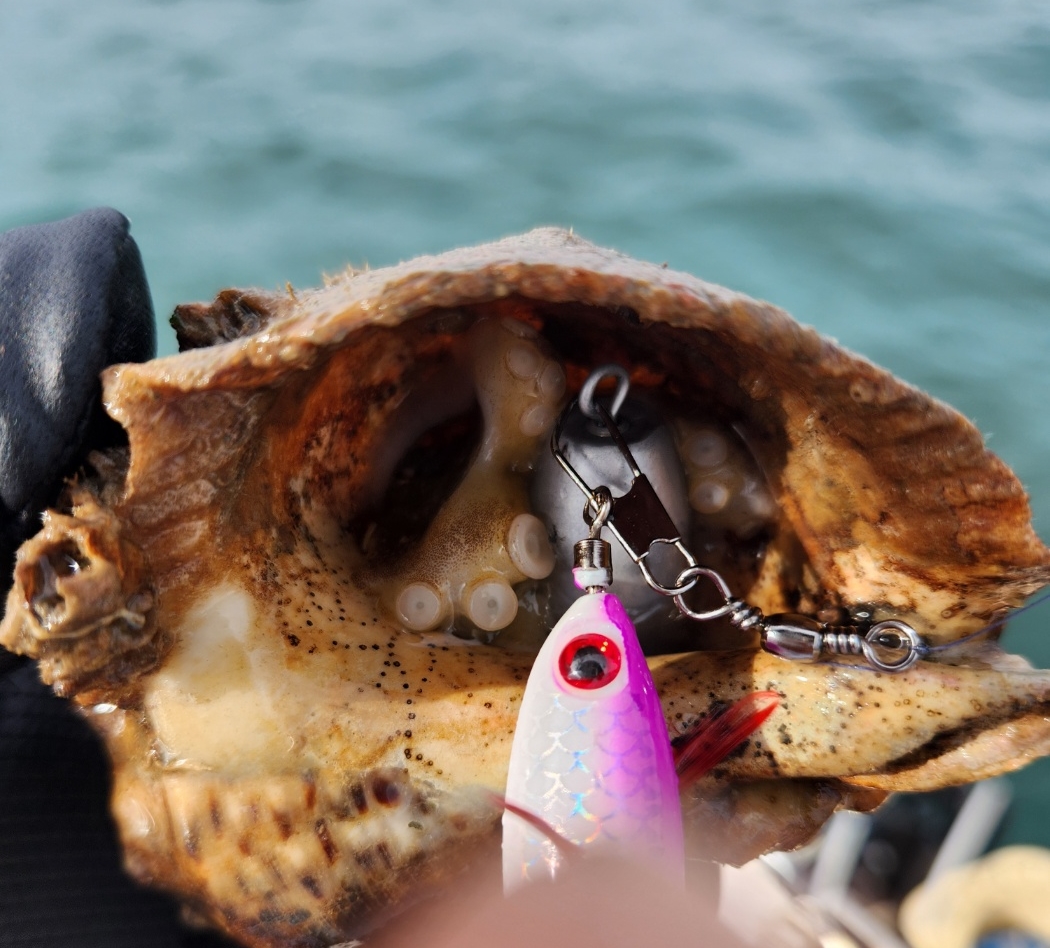
- The Lure (Egi): Unlike traditional bait, we use a colorful shrimp-shaped lure called an "Egi" and a lead sinker (usually size 10 to 16 depending on the current).
- The Technique: You drop the rig to the bottom, keep the line tight, and wait. When you feel a slight "heaviness"—as if a wet leaf has stuck to your hook—that is your signal to reel in!
The Golden Rule: Watch the Tides
In the West Sea, the tide is everything. The optimal times are during neap tides (Musi or Jogeum). When the current is too strong, it stirs up the mud from the seafloor, creating murky water. Since Jjukkumi rely on sight to attack the lure, cloudy water can decrease your catch by more than 50%. This is why booking a boat on "good tide" days is nearly impossible unless you plan months in advance.

The Culinary Reward: Beyond the Raw Experience
While Oldboy might suggest otherwise, Jjukkumi is best enjoyed cooked. After a long day on the boat, nothing beats Jjukkumi Ramen—freshly caught octopus boiled in spicy noodles right on the deck.
In the city, it is most famous as Jjukkumi-bokkeum, a fiery stir-fry that rivals the heat of Buldak noodles. It is often served as a Shabu-shabu, where it is lightly blanched with fresh vegetables to preserve its tender, chewy texture.
Conclusion
K-Fishing is more than just a hobby; it is a way of understanding the rhythm of the seasons and the richness of the sea. If you have a chance to visit Korea in the autumn, I highly recommend heading to the West Sea. Whether you are holding a fishing rod or a pair of chopsticks, the Jjukkumi will offer you a taste of Korea you'll never find in a movie.